2026 Top Tile Types How to Make Bathrooms Look Bigger?

Time:2026-10-08 Author:Isabella
0%

A small bathroom can feel cramped before a single fixture is installed. Tile choice changes that impression through scale, color, reflection, and grout rhythm. This 2026 guide explores the top tile types for creating a brighter, wider-looking space.

Interior designer Susan Serra, CKD, emphasizes, “A small bathroom needs visual calm, not more decoration.” Her advice fits practical renovation experience. Large-format porcelain tiles can reduce grout lines across the floor and walls. Fewer interruptions often create a cleaner visual field. Soft white, warm beige, and pale gray tiles reflect more light than deep, heavily patterned surfaces.

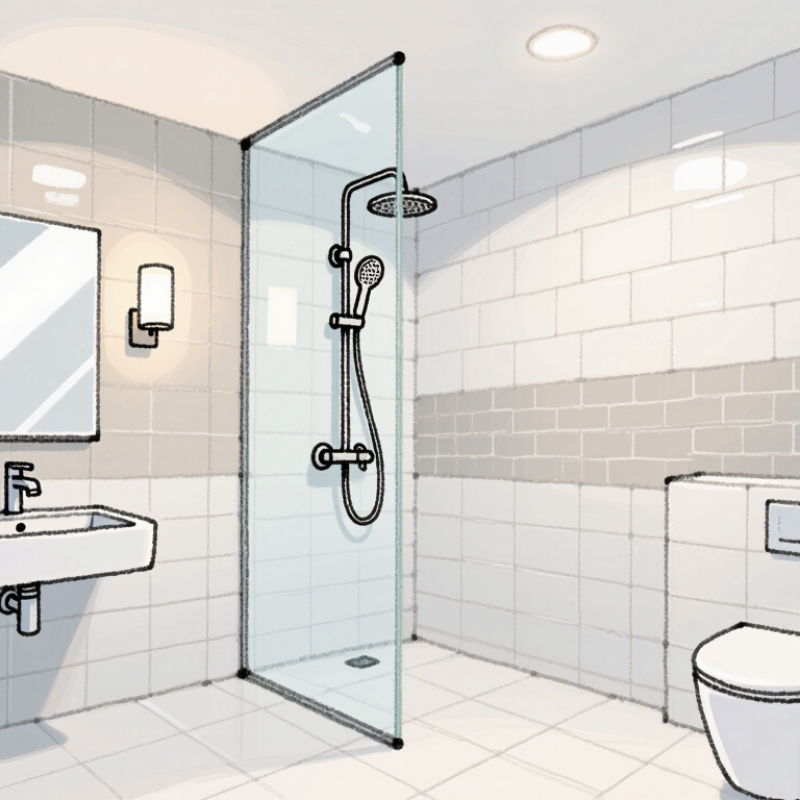
Glossy subway tiles can bounce light around a narrow room. They work especially well beside a mirror or under compact wall lighting. Yet glossy finishes may reveal water spots quickly. That detail matters in real homes. Matte tiles feel softer, but they may need stronger lighting to prevent a dull appearance.

For anyone researching how to make bathrooms look bigger with tiles, layout matters as much as color. Continuing one tile from the floor into the shower can blur visual boundaries. Vertical installation may emphasize ceiling height. Horizontal arrangements can make a tight wall seem broader.

Still, bigger is not guaranteed. Oversized tiles may require awkward cuts in small bathrooms. Tiny mosaic tiles can add texture, but excessive grout may create visual noise. Measure the walls, test samples under actual lighting, and reconsider attractive choices that feel wrong at home. Small rooms punish assumptions.
2026 Top Tile Types How to Make Bathrooms Look Bigger?

Understanding 2026 Tile Trends for Visually Larger Bathrooms

Understanding 2026 Tile Trends for Visually Larger Bathrooms

In 2026, bathroom tile trends focus on calm surfaces and fewer visual breaks. Large-format porcelain tiles create wider-looking walls with fewer grout lines. Soft white, warm beige, and pale gray reflect light without feeling sterile. Matte finishes also reduce glare and hide small water marks.

Vertical tiles can make a low ceiling feel taller. Long rectangular tiles work especially well in narrow bathrooms. Extending the same tile from the floor into the shower creates visual continuity. However, large tiles are not always better. They need accurate walls, careful cutting, and skilled installation. I once chose oversized tiles for a compact room, but the layout created awkward corner cuts. The result taught me to measure twice.

Tips: Choose grout close to the tile color. Keep patterns subtle. Use one dominant surface. A clear glass shower screen preserves sightlines. Test samples beside your lighting before ordering. Natural light can change everything. Small mosaic tiles still have value around drains and curved edges. They add grip and practical detail, even when larger tiles lead the design. Trends can guide decisions, but the room’s shape should decide the final tile size.

Choosing Tile Types That Enhance Bathroom Space

Choosing Tile Types That Enhance Bathroom Space

In 2026, tile selection should support visual openness, not merely follow trends. Large-format porcelain tiles create fewer grout lines, so walls appear calmer and wider. Light matte ceramic tiles also reflect soft light without creating harsh glare. According to the 2024 U.S. Houzz Bathroom Trends Study, 54% of renovated bathrooms use a shower-only layout. This makes continuous wall tile especially valuable in compact rooms. Matching wall and floor tones can blur boundaries, although perfect matching may feel flat.

Mosaic tiles still have a practical role. Use them inside shower niches or on the floor for texture and safer footing. The Tile Council of North America and ANSI A326.3 recommend suitable slip-resistance testing for wet floors. Do not choose polished tile only because it looks luxurious. It can become difficult to manage when water and soap collect. I have seen small bathrooms look larger with medium-sized tiles, too. Large tiles are not always the answer, especially when many cuts interrupt the pattern.

Tips: Choose tiles with a light, continuous color range. Keep grout close to the tile shade. Use vertical rectangular tiles to raise the visual ceiling. For shower floors, select smaller formats with more grout joints. Check sample tiles under bathroom lighting before installation. A beautiful showroom sample can look surprisingly cold at home.

2026 Top Tile Types: How to Make Bathrooms Look Bigger?

Choosing larger-format tiles can create a more open bathroom appearance because fewer tile joints interrupt the visual field. The chart compares the approximate number of internal grout lines on a 120 × 96 inch rectangular wall, calculated from nominal tile dimensions and excluding perimeter cuts.

Key takeaway: Large-format tiles such as 24 × 48 inch and 12 × 24 inch tiles create fewer visual breaks than small mosaics or subway tiles, helping the bathroom feel more spacious. Light colors and continuous installation across walls and floors can further enhance this effect.

Selecting Colors, Sizes, and Patterns for an Open Feel

For a larger-looking bathroom, tile color matters more than decoration. The 2024 U.S. Houzz Bathroom Trends Study surveyed 1,812 homeowners and tracked current renovation choices. Its findings support a practical direction: homeowners continue choosing calm, light surfaces for updated bathrooms. Soft white, pale gray, warm beige, and muted green reflect more light than deep colors. Glossy wall tile can brighten a dim room, while matte floor tile offers safer underfoot traction. Still, an all-white bathroom may feel cold. A warmer grout can help.

Tile size changes how the eye reads space. Large-format porcelain creates fewer grout lines, so walls appear calmer and less divided. On a small floor, rectangular tiles installed lengthwise can guide the eye toward the far wall. The 2024 National Kitchen & Bath Association Design Trends Report also identifies larger-format surfaces and simplified visual layouts as continuing professional preferences. Use the same tile across the shower and main walls when possible. Continuous color creates better flow. Very large tiles are not always better, though. Uneven walls can make installation difficult, and awkward cuts may waste material. I have seen a narrow bathroom look smaller after oversized tiles were forced into tight corners.

Patterns need restraint. A vertical stacked layout can raise the visual ceiling, while a subtle herringbone adds movement without heavy contrast. Keep bold patterns on one feature wall. The rest should stay quiet. A 1/8-inch grout line can look refined, but the installer must confirm tile tolerances and substrate conditions first.

Planning Tile Layouts to Create Greater Visual Depth

2026 Top Tile Types: How to Make Bathrooms Look Bigger?

Planning Tile Layouts to Create Greater Visual Depth

Large-format porcelain tiles are a strong choice for compact bathrooms. Their wider surfaces create fewer grout lines, helping walls and floors feel calmer. Soft white, pale gray, and warm sand tones reflect more light than deep colors. A stone-look finish can add texture without making the room feel crowded. Use the same tile across the floor and shower walls when possible. This continuous surface can make boundaries less obvious.

Layout matters as much as tile type. Rectangular tiles installed vertically can make a low ceiling appear taller. A horizontal layout may visually widen a narrow shower. Aligning grout lines across adjoining walls also creates a cleaner sightline. I have found that small errors become obvious in tight spaces. Uneven edges can reduce the intended depth. Careful planning is essential.

Tips: Test tile samples beside the mirror, ceiling, and floor before ordering. Lighting changes color dramatically. Keep grout close to the tile shade for a quieter surface. A contrasting grout can add character, but it also emphasizes every line. Consider a recessed shelf with the same wall tile. It can look deeper when its edges follow the existing layout. Measure door swings, drains, and corners on the plan. A beautiful pattern may fail if cuts become too narrow. When uncertain, create a full-scale paper layout first. It is slower, but often revealing.

Avoiding Common Tile Mistakes in Small Bathroom Designs

In 2026 bathroom planning, tile choice can make a small room feel more open. Poor layout decisions can undo that effect. Large-format porcelain tiles create fewer grout lines, helping walls and floors look calmer. Light ceramic tiles reflect more light beside a frosted window or recessed fixture. Yet oversized tiles are not automatically better. A narrow wall may require awkward cuts and thin corner slivers. That looks unplanned. Measure carefully before selecting the tile.

A common mistake is combining too many sizes, colors, and patterns. One floor mosaic, one wall design, and a contrasting shower border can make the room feel crowded. Keep the main tile consistent. Use a small mosaic where slope or grip matters. Mosaic works well on shower floors. Choose a slip-resistant surface there, not a polished one. Glossy wall tile is easier to wipe, but strong reflections can reveal uneven surfaces.

Grout color deserves attention. Strong contrast outlines every joint and breaks the room into small squares. A similar grout shade creates better continuity, though it still needs regular cleaning. Do not ignore lighting. A sample may look warm in daylight but gray under LEDs. Test two or three pieces on the actual wall. Small mistakes happen. Recheck the drain, door swing, and niche position before fixing tiles. A beautiful pattern can fail when a cabinet hides it or the door strikes a raised edge.

FAQS

Which tile type can make a small bathroom feel more spacious?

Large-format porcelain tiles reduce grout lines and create calmer, wider-looking surfaces. They are not always suitable. Narrow walls may need awkward cuts.

Are light-colored tiles better for compact bathrooms?

Soft white, pale gray, and warm sand tones reflect more light. Light matte finishes avoid harsh glare. Deep colors can feel heavier.

Can one tile cover both walls and floors?

Matching tones can blur boundaries and improve visual continuity. Perfect matching may feel flat. Add gentle texture through a small accent area.

Which tile layout can make a low ceiling appear taller?

Install rectangular tiles vertically to guide the eye upward. Horizontal layouts can make narrow walls feel wider. Small errors become noticeable.

Are mosaic tiles useful in a small bathroom?

Yes, especially on shower floors and inside recessed niches. Their extra grout joints can support texture and footing. They also require more cleaning.

Is polished tile a good choice for wet floors?

Usually, no. Water and soap can make polished surfaces difficult to manage. Choose tested slip-resistant flooring instead. Appearance is not enough.

How should grout color be selected?

Choose grout close to the tile shade for a quieter, more continuous surface. Contrasting grout highlights every joint. It can expose uneven work.

What should be checked before ordering bathroom tiles?

Test samples beside the mirror, floor, ceiling, and actual lighting. Measure drains, corners, doors, and cabinet positions. Measure twice. Mistakes still happen.

Conclusion

In 2026, bathroom tile design focuses on creating a brighter, more open, and visually spacious environment. This guide explores how to make bathrooms look bigger with tiles by choosing reflective surfaces, soft neutral colors, and large-format tiles that reduce the number of grout lines. Light tones such as warm white, pale gray, and subtle beige can make walls feel farther apart, while coordinated floor and wall colors create a seamless appearance. Carefully selected textures and simple patterns can add character without making the room feel crowded.

Tile layout also plays an important role in visual depth. Vertical arrangements can make low ceilings appear higher, while horizontal designs may make narrow walls seem wider. Extending tiles through shower areas and using consistent grout colors can improve continuity. The guide also explains how to avoid common mistakes, including excessive contrast, busy patterns, unsuitable tile sizes, and poorly planned transitions that interrupt the room’s flow.

Isabella

Isabella

Isabella is a dedicated marketing professional with a sharp focus on driving brand growth and engagement through strategic content creation. With an extensive background in digital marketing, she combines her passion for storytelling with her keen understanding of industry trends to deliver......