If you have ever stepped onto a wet bathroom floor, you know how quickly ordinary tiles can become hazardous. This practical concern leads many homeowners to ask, “what are anti-slip tiles and where to use them?” Anti-slip tiles are flooring products designed to improve traction underfoot. Their textured surfaces, raised patterns, or specialized finishes help reduce slipping when water, soap, grease, or mud is present. They are not completely slip-proof, however. Poor cleaning, worn surfaces, and unsuitable installation can still create risks.
In this guide, we will examine how anti-slip tiles work and where they offer the greatest value. Bathrooms, shower floors, kitchens, laundry rooms, balconies, pool surrounds, and outdoor walkways are common choices. Commercial entrances may also benefit, especially during rainy weather. A small textured tile under bare feet can feel safer than a large, glossy tile. Yet texture is not the only consideration. Drainage, grout lines, slope, cleaning routines, and footwear all influence real-world performance. Too much texture may trap dirt or feel uncomfortable indoors. That detail is easy to overlook. Tile selection should match the environment, expected moisture, and maintenance habits. Product testing information and professional installation advice can support a more reliable decision. Even then, conditions change over time. Regular inspections matter. This article offers clear guidance while recognizing that no single tile suits every space.
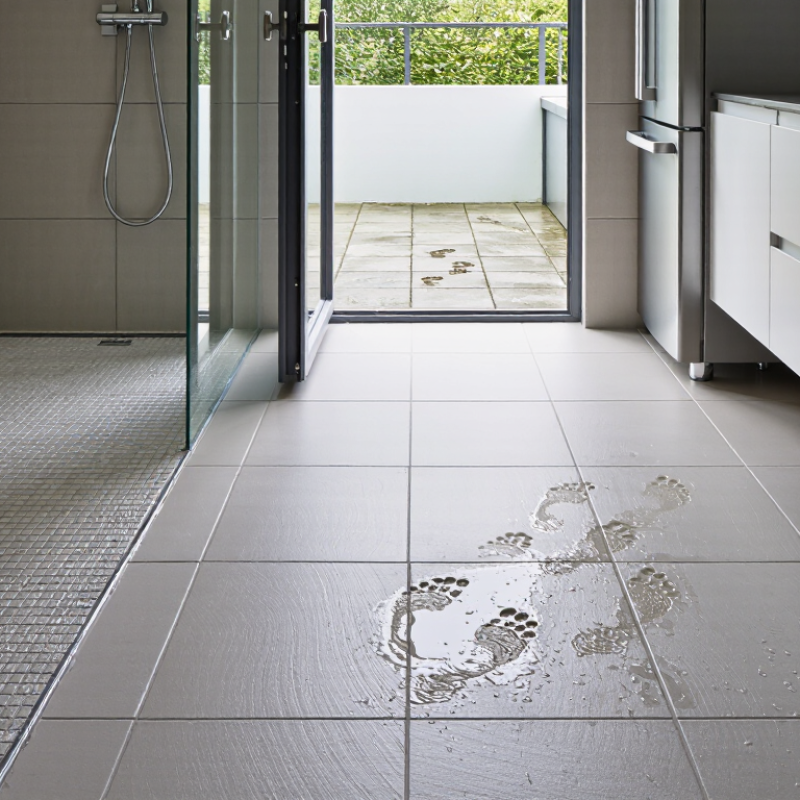
Definition and Key Features of Anti-Slip Tiles
What Are Anti-Slip Tiles and Where Should You Use Them?
Anti-slip tiles are floor tiles designed to reduce sliding when footwear meets moisture, grease, or dust. Their surfaces may include fine texture, raised patterns, or controlled finishes that improve traction. Unlike ordinary smooth tiles, they manage contact more effectively under wet conditions. However, “anti-slip” is not an absolute promise.
ANSI A326.3 uses Dynamic Coefficient of Friction testing for hard flooring. For many level, interior, wet walking surfaces, a wet DCOF value of 0.42 or higher is commonly referenced. This figure does not automatically suit ramps, showers, or outdoor slopes. The United Kingdom Health and Safety Executive reports that slips and trips represent about 30% of non-fatal workplace injuries. That makes floor selection a practical safety decision, not just a design choice.
Use these tiles in bathrooms, shower rooms, kitchens, entrances, pool surrounds, balconies, and commercial food areas. Choose stronger textures for places with frequent water or oil. A shallow texture may feel comfortable in a hallway, while a deeper profile can help near a pool. Yet rougher is not always better. Dirt can collect in deep patterns, and poor cleaning may reduce real-world traction. Test the tile with the intended footwear and cleaning routine. Real buildings are messier than laboratories. That is where specifications sometimes need reconsideration.
Anti-Slip Tile Ratings and Recommended Applications
The chart uses the DIN 51130 ramp-test classification. Higher R ratings indicate greater slip resistance in the tested conditions, with R9 suitable for lower-risk dry indoor areas and R12–R13 intended for demanding wet, greasy, or industrial environments. Select tiles according to the actual floor conditions, footwear, drainage, and local building requirements.
How Anti-Slip Tiles Create Safer Walking Surfaces
What Are Anti Slip Tiles and Where Should You Use Them?
Anti-slip tiles are flooring products designed to improve grip underfoot. Their textured surfaces create tiny contact points between shoes and the floor. Some tiles also use a slightly rough finish to channel water away. This helps reduce sliding in bathrooms, kitchens, entrances, and outdoor paths. Wet floors are especially risky.
A safer walking surface depends on more than texture. Tile size, grout joints, slope, footwear, and cleaning routines all affect traction. In a bathroom, textured porcelain tiles can help around showers and sinks. On a patio, weather-resistant tiles with suitable slip-resistance ratings may perform better. Smooth tiles can look elegant, but appearance alone proves little. I have seen attractive flooring become surprisingly slippery after soap or dust built up. That detail is easy to underestimate.
Tips:
Choose tiles based on the area’s moisture level and expected foot traffic. Ask for slip-resistance information before purchasing. Keep grout lines clean, because greasy residue can reduce grip. Remove standing water quickly. Test a sample with wet footwear when possible. Very rough surfaces may improve traction, but they can feel uncomfortable and collect dirt. That trade-off deserves honest consideration. Also check installation quality. Uneven edges or poor drainage can create trip hazards, even when the tile itself has strong anti-slip properties. Regular inspection remains necessary. No tile removes every risk.
Understanding Anti-Slip Ratings and Tile Classifications
Anti-slip tiles are designed to increase traction where water, oil, dust, or cleaning products may reduce grip. Their surface may include texture, raised relief, or a carefully engineered finish. However, “anti-slip” does not mean completely slip-proof. Performance depends on footwear, contamination, slope, drainage, and maintenance.
Tile classifications
help match a product to its intended location. The R rating, often used for footwear testing, ranges from R9 to R13, with higher numbers generally indicating stronger resistance on inclined surfaces. R9 may suit ordinary indoor areas, while R11 or above can be more appropriate for wet entrances, commercial kitchens, or sloped floors.
Barefoot classifications, commonly marked A, B, or C, are often considered for bathrooms, showers, and pool surrounds. Test methods differ, so ratings should not be compared casually.
A bathroom floor may need a barefoot-rated tile with small dimensions and closely spaced grout lines. Large, polished tiles can create longer sliding paths when wet. Entrances benefit from textured surfaces, effective drainage, and regular removal of grit.
A high rating alone is not enough. Poor cleaning can leave soap film inside the texture, reducing traction over time. Check the technical sheet, test standard, cleaning guidance, and local building requirements before selection.
Some choices still fail. A tile that performs well in a laboratory may feel uncomfortable, difficult to clean, or unsuitable for wheels and bare feet. Sample it with water before installation.
Best Places to Use Anti-Slip Tiles
What Are Anti-Slip Tiles and Where Should You Use Them?
Best Places to Use Anti-Slip Tiles
Anti-slip tiles have textured or matte surfaces that improve traction underfoot. They are especially useful where water, oil, or dust can make flooring dangerous. Their surface may feel slightly rough, but that extra grip matters during everyday movement.
Bathrooms are a practical starting point. Use them around showers, bathtubs, and sinks, where splashed water often remains on the floor. Pool surrounds also need strong slip resistance, especially near ladders and changing areas. In site checks, I have found that small puddles can stay hidden on pale tiles.
Kitchens and utility rooms benefit from these tiles because grease and cleaning water create sudden hazards. Entranceways are another strong choice, particularly in rainy climates. A textured floor can help reduce tracked-in water near doors. Garages, balconies, ramps, and outdoor steps may also need this protection.
Choose the surface carefully.
A very rough tile can trap dirt and become uncomfortable to clean. Confirm its tested slip-resistance rating, then compare it with local building guidance and the room’s expected moisture level. Good drainage still matters; even the best tile performs poorly under standing water. Grout condition matters too. Cracked or worn grout can collect grime and weaken the floor’s overall safety. No tile removes every risk, so lighting, cleaning, and thoughtful layout deserve equal attention.
Choosing, Installing, and Maintaining Anti-Slip Tiles
Anti-slip tiles have textured or specially finished surfaces that improve traction when floors become wet, dusty, or greasy. They suit bathrooms, shower areas, entrances, pool surrounds, balconies, and commercial kitchens. However, a rough surface alone does not guarantee safety. Tile performance depends on water, footwear, slope, cleaning, and installation quality. Not always.
When choosing tiles, check verified slip-resistance data rather than relying on appearance. Consider the room’s exposure, drainage, cleaning routine, and expected traffic. Smaller tiles can create more grout joints, which may improve underfoot grip but increase maintenance.
I have seen attractive tiles become slippery after wax-like residue built up. That mistake is easy to overlook. Request a sample, wet it, and test it with the footwear commonly used in that area. Small details matter.
Installation should begin with a sound, level substrate and an appropriate adhesive. Plan falls toward drains, especially in showers and outdoor areas. Keep joints consistent, and use grout suited to moisture and traffic. Poorly aligned tiles can create trip edges, even when their surfaces resist slipping. After installation, allow the recommended curing time before regular use. Maintain the floor with a pH-neutral cleaner, soft brushes, and clean water. Remove grease promptly, rinse away detergent film, and inspect grout or damaged edges regularly. Aggressive scrubbing may wear the finish, while neglected residue can reduce traction. Results also vary by tile and location, so follow the supplier’s technical data and applicable local standards.
Conclusion
Anti-slip tiles are specially designed flooring surfaces that improve traction and reduce the risk of slips, especially in areas exposed to water, oil, dirt, or frequent foot traffic. Their textured finishes, enhanced surface grip, and suitable slip-resistance classifications help create safer walking conditions. Understanding anti-slip ratings and tile categories is important because different spaces require different levels of protection, depending on moisture, slope, usage, and cleaning conditions.
This guide explains what are anti-slip tiles and where to use them, with practical advice for selecting the right tile for each environment. They are particularly useful in bathrooms, kitchens, entrances, balconies, poolside areas, utility rooms, and commercial spaces. Proper installation, including a stable base and well-sealed joints, supports long-term performance. Regular cleaning and prompt removal of spills are also essential for maintaining traction and extending the tiles’ service life.
 Rock Stone
