How to Prevent Tile Cracks Over Time with Simple Tips?

Time:2026-08-24 Author:Sophia
0%

Maintaining the integrity of your tiled surfaces is essential. One major concern is how to prevent tile cracks over time. Cracks can arise from various factors, including poor installation, temperature fluctuations, and heavy loads. Addressing these issues early can save you money and enhance the longevity of your tiles.

A proactive approach can significantly reduce the risk of cracks. Regular maintenance, such as cleaning and sealing, helps protect tiles. Use quality materials during installation, and consider professional help for complex areas. While they may not guarantee perfection, these steps can improve tile resilience. Be aware that imperfections might still occur, prompting the need for ongoing assessment.

Remember, neglecting these tips could lead to extensive damage. Keep an eye on your tiles, watching for stress signs or hairline fractures. If you act promptly, you can prevent bigger problems later. Ultimately, understanding how to prevent tile cracks over time will ensure your floors remain beautiful and functional for years to come.
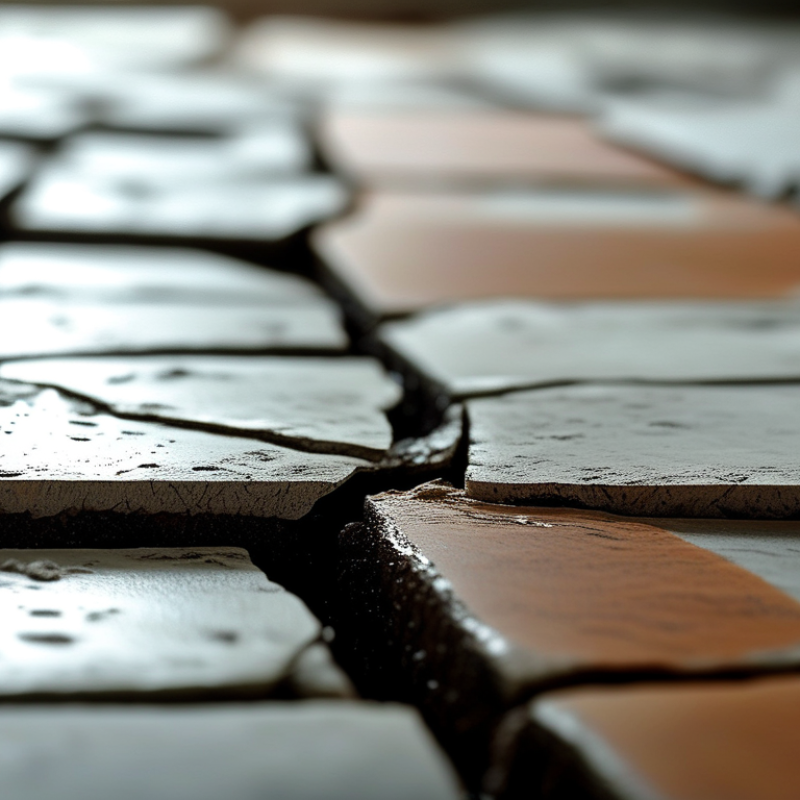
How to Prevent Tile Cracks Over Time with Simple Tips?

Understanding the Causes of Tile Cracking

Tile cracking is a common problem that many homeowners face. Understanding the causes can help you prevent damage. One major factor is moisture. According to the National Tile Contractors Association, over 30% of tile failures result from water damage. Excess moisture can weaken the adhesive and lead to cracks.

Improper installation also plays a critical role. Inadequate surface preparation or lack of expansion joints can stress the tiles. A study by the Tile Council of North America reports that nearly 25% of installation failures are due to not following industry standards. Tiles must be laid on a properly leveled floor to avoid future issues.

Temperature fluctuations can be another culprit. When tiles expand and contract, they can lose structural integrity. Research shows that excessive heat can increase the rate of these movements. Homeowners should monitor their indoor climate. Addressing these factors can significantly reduce the risk of tile cracks over time.

Choosing the Right Type of Tiles for Durability

When selecting tiles for durability, the material is crucial. Porcelain tiles are highly recommended due to their dense structure. They resist moisture and are less prone to cracking over time. Opting for high-fired ceramic can also provide longevity. Keep in mind that not all ceramic tiles are created equal. Depending on the manufacturing process, some may wear down quicker than others.

The thickness of the tile matters, too. Thicker tiles often withstand pressure better than thinner ones. For high-traffic areas, consider a tile with a PEI rating of 4 or 5. This indicates it can handle significant wear. However, even the toughest tiles require proper installation. Think about the substrate. An uneven floor can promote cracks later, no matter how durable the tiles are.

Pay attention to grout choice as well. A flexible grout can absorb some movement, reducing crack potential. Regular maintenance helps identify issues before they escalate. Check for chips or damage frequently. Tiles may look perfect at first glance, but small flaws can lead to larger problems. Always be ready for repairs when necessary.

Implementing Proper Installation Techniques

Proper installation techniques are the foundation of long-lasting tile. Before laying tiles, always prepare the subfloor. A strong, even base prevents movement and stress on the tiles. This step is often overlooked. Skipping it can lead to cracks over time.

Using the right adhesive is crucial. Not all adhesives work on every surface. Research proper options for different materials. Apply adhesive evenly to avoid weak spots. Uneven application can lead to future problems. It’s essential to use the recommended notched trowel size for the tile type.

Grouting is another vital step in installation. Allow the adhesive to cure properly before applying grout. Rushing this can trap moisture, weakening the bond. Ensure your grout is mixed correctly. Too dry or too wet can create cracks. Regular maintenance, such as sealing grout lines, also helps in prolonging tile life. Investing time in these details pays off with durable, crack-free tiles.

Maintaining Consistent Temperature and Humidity Levels

Maintaining consistent temperature and humidity levels is essential in preventing tile cracks over time. Fluctuations in these factors can lead to expansion and contraction of the tile material. This stress is often the root cause of cracks. Keeping your indoor climate steady helps mitigate this issue.

Consider using a dehumidifier in damp areas. Excess moisture in the air can warp tiles and grout. Aim for humidity levels between 30% and 50% for optimal results. Monitor your home's temperature, keeping it between 68°F to 72°F. This balance prevents sudden temperature shocks.

Investing in thermal insulation can also help. Good insulation reduces temperature variations. During seasonal changes, your tiles will experience less strain. Be mindful, though, that even with precautions, some cracks may still occur. Regular inspections are key. Check for small cracks and address them early to avoid larger issues down the line. Keeping an eye on your tiles can save you from costly repairs later.

Regular Inspection and Maintenance Tips to Prevent Damage

Regular inspection is key to maintaining tile integrity. Check for any visible cracks or loose tiles every few months. This simple practice can help you catch damage before it worsens. Look for signs of wear around grout lines too. Noticing small issues early means you can prevent larger problems down the road.

Proper maintenance also plays a crucial role. Clean your tiles regularly with gentle, non-abrasive cleaners. Avoid harsh chemicals that may weaken the tiles. Additionally, ensure that the tiles are properly sealed. A well-sealed surface can resist moisture and dirt better. Pay attention to any areas that experience high traffic or heavy appliances, as these spots are more prone to damage.

Even with regular maintenance, some tiles may show signs of wear. Reflection on the state of your tiles is important. Acknowledge that while you follow best practices, life happens. Sometimes, unexpected issues arise despite our efforts. Evaluate your current maintenance routine. Is it effective? This self-reflection can lead to better care strategies for your tiles in the future.

FAQS

: What type of tiles are most durable?

: Porcelain tiles are ideal due to their dense structure. High-fired ceramic tiles can also last long.

How does tile thickness affect durability?

Thicker tiles resist pressure better than thinner ones. They are recommended for high-traffic areas.

What is a PEI rating?

A PEI rating of 4 or 5 indicates tiles can handle significant wear. It's important for busy spaces.

Why is installation quality important?

Proper installation is essential. An uneven floor may lead to cracks, damaging even the toughest tiles.

How does grout choice influence tile longevity?

Flexible grout absorbs movement, reducing the chance of cracks. It's an important factor in maintenance.

What temperature and humidity levels should I maintain?

Keep humidity between 30% and 50%. Aim for indoor temperatures of 68°F to 72°F for best results.

Why is regular maintenance necessary?

Regularly check for chips or damage. Early detection of flaws can prevent costly repairs down the road.

Can temperature fluctuations cause cracks?

Yes, fluctuations can create stress in tile materials. Consistency prevents expansion and contraction issues.

What should I use in damp areas?

A dehumidifier can reduce moisture. Excessive humidity can warp tiles and grout over time.

What’s the role of thermal insulation?

Good insulation minimizes temperature changes. This helps reduce tile strain during seasonal shifts.

Conclusion

To understand how to prevent tile cracks over time, it is essential to recognize the various causes behind tile damage. Factors such as improper installation, fluctuations in temperature and humidity, and the choice of tile material can greatly influence their longevity. Selecting durable tiles that can withstand environmental changes is crucial for long-term resilience.

Implementing proper installation techniques, such as using an adequate substrate and ensuring proper spacing for grout, can enhance the durability of tiles. Additionally, maintaining consistent temperature and humidity levels in your space helps to mitigate expansion and contraction that can lead to cracks. Regular inspections and maintenance can catch potential issues early, allowing for timely repairs and preventing further damage. By following these simple yet effective tips, homeowners can significantly reduce the risk of tile cracks over time.

Sophia

Sophia

Sophia is a dedicated marketing professional with an exceptional depth of knowledge about her company's products and services. With a keen understanding of market trends and customer needs, she crafts insightful blog posts that not only inform but also engage readers, enriching the company’s online......