When considering whether tiles can be used outdoors, homeowners often face key decisions. Outdoor spaces require durable materials capable of withstanding various weather conditions. Not all tiles are created equal. Some can fade in sunlight, while others may become slippery when wet.
Choosing the right tiles involves understanding their properties. For example, porcelain and stone tiles are often preferred for their strength. However, cost and aesthetics are also crucial factors. Some tiles may look great but lack the durability needed for outdoor use. It's essential to weigh these aspects carefully.
In many cases, installation plays a significant role in tile performance outdoors. Proper sealing and spacing can help tiles endure the elements. Yet, even with precautions, some may find their choices lacking over time. This highlights the importance of research and professional advice in the decision-making process.
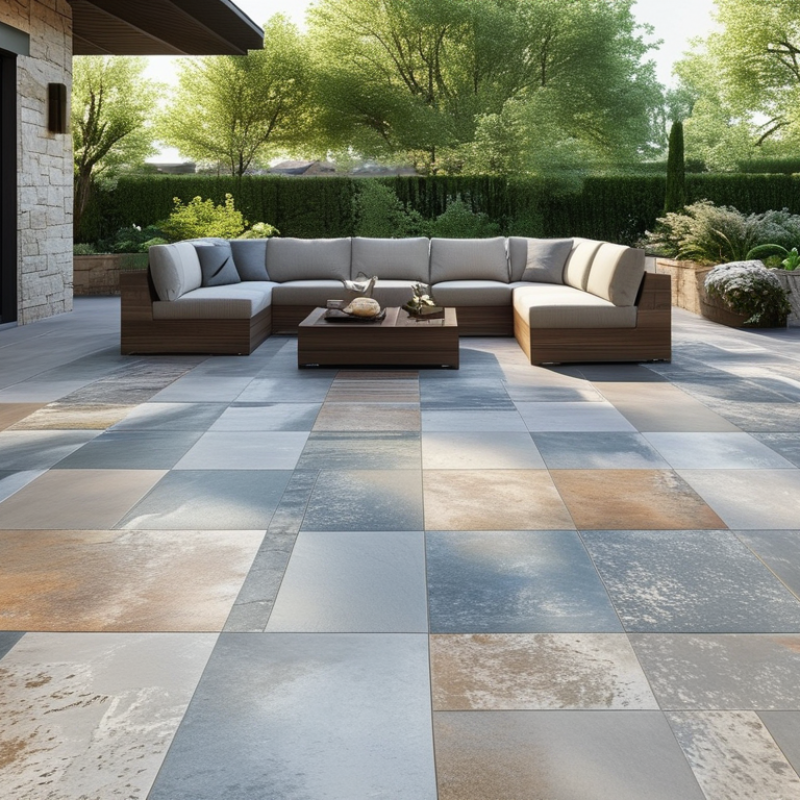
When selecting outdoor tiles, it’s vital to understand the materials and their durability ratings. Outdoor tiles must withstand various weather conditions, from scorching sun to heavy rain. According to industry reports, porcelain tiles are often recommended for outdoor use. They have a water absorption rate below 0.5%, making them resistant to frost and mold.
Ceramic tiles may be less durable. They typically absorb more water, which can lead to cracking in cold temperatures. A study by the Tile Council of North America indicates that tiles with a PEI rating of 4 or 5 are best suited for exterior applications. However, it's crucial to remember that aesthetics shouldn’t be the only factor. Tiles with appealing designs might not have the durability needed for outdoor settings.
Natural stone tiles like slate or granite possess a unique beauty. Yet, they may require more maintenance over time. Weathering can dull their finish. Moreover, some stones are prone to staining if not sealed properly. Homeowners should weigh these aspects, comparing functionality and visual appeal. Selecting the right material involves careful consideration and long-term planning.
When selecting outdoor tiles, slip resistance is paramount. A report from the Tile Council of North America highlights that approximately 85% of slip-related accidents occur in outdoor settings. This statistic underscores the importance of choosing tiles with a high Coefficient of Friction (COF). Ideal tiles should have a COF of at least 0.60 in wet conditions to provide sufficient grip. Textured surfaces can also enhance traction, decreasing the likelihood of slips and falls.
Texture plays a crucial role in the performance of outdoor tiles. Smooth tiles may seem appealing, but they can become hazardous when wet. Textured tiles not only enhance grip but can also add a unique aesthetic to patios and walkways. However, it’s important to choose the right texture. Overly rough surfaces can be uncomfortable underfoot or trap dirt and moisture, leading to maintenance challenges. Striking the right balance between safety, comfort, and usability is essential for long-lasting outdoor spaces.
The environment should guide your choice of tile. Consider factors such as climate, sunlight exposure, and frequency of use. Tiles exposed to harsh sun can fade and deteriorate faster. Also, tiles in shaded areas may retain moisture longer, increasing slip risks. Research from the National Association of Home Builders suggests that outdoor tile selection directly impacts property value. Making informed decisions will ensure both functionality and aesthetics for years to come.
When choosing tiles for outdoor spaces, understanding climate considerations is crucial. Different weather conditions can significantly impact tile performance. For instance, tiles in colder regions must withstand freezing temperatures. They should be frost-resistant to prevent cracking. A simple oversight here can lead to costly repairs.
In hotter climates, UV rays can cause fading. Tiles with a high resistance to UV can help maintain their color over time. It’s essential to check the tile's porosity too. Low-porosity tiles resist moisture better, reducing the risk of mold and mildew. This factor is important in humid environments where water can accumulate.
Additionally, consider the texture of tiles. Smooth tiles can become slippery when wet. In contrast, textured surfaces provide better traction. This detail may appear minor, but it can prevent accidents. Even with all these considerations, unexpected issues may arise. Regular maintenance remains vital to ensure the longevity of outdoor tiles. Observing how clay, stone, or ceramic reacts to local weather can guide future tile selections.
| Tile Type | Weather Resistance | Slip Resistance | Durability | Maintenance |
|---|---|---|---|---|
| Porcelain Tiles | Excellent | High | Very Durable | Low |
| Ceramic Tiles | Good | Medium | Moderately Durable | Moderate |
| Natural Stone Tiles | Variable | High | Highly Durable | High |
| Glass Tiles | Good | Medium | Moderately Durable | Low |
| Cement Tiles | Good | Medium to High | Durable | Moderate |
Choosing the right outdoor tiles involves careful consideration, especially regarding maintenance and care. Proper maintenance extends the lifespan of your tiles significantly. Regular cleaning is essential to prevent dirt build-up. Use a soft brush and mild detergent to clean the surface. Avoid harsh chemicals that may cause damage.
During winter, ice and snow can wreak havoc on your outdoor tiles. It’s wise to invest in a sealing product that offers protection against freezing temperatures. This can minimize the chances of cracking. Regular checks for chips or cracks are also necessary. Addressing these issues promptly can save you from costly replacements.
Consider the materials of your tiles. Some are more durable than others. Porcelain tiles typically resist moisture and stains well. However, natural stone, while beautiful, may need more care. Resealing every year can keep them looking fresh. Lastly, remember that outdoor spaces can be unpredictable. Adapt your cleaning routine to the climate in your area. Take the time to reflect on your choice and adjust as needed.
When it comes to outdoor spaces, choosing the right tiles is essential. Several popular styles have emerged in 2023, reflecting both aesthetic preferences and functional needs. Natural stone, for example, offers durability and a timeless look. According to a report by the Tile Council of North America, 47% of consumers prefer natural materials for outdoor settings.
Another trend gaining traction is large-format tiles. These tiles create a seamless look and are easier to maintain. The same report indicates that 36% of homeowners opt for larger tiles to minimize grout lines. Additionally, eco-friendly options are on the rise. Many homeowners are interested in sustainable materials, as awareness about environmental impact grows.
Color trends are shifting too. Earthy tones and muted colors are popular for outdoor tiles. These hues blend well with nature and create a serene environment. However, it's important to consider local climate conditions when selecting colors and materials. Not every tile can withstand extreme temperature changes. Some might fade or crack over time. Evaluating material performance in real outdoor conditions is critical for longevity.
: Porcelain tiles are highly recommended due to their low water absorption and resistance to frost.
Ceramic tiles absorb more water, making them less durable in cold temperatures. Cracks may develop as a result.
Tiles with a PEI rating of 4 or 5 are best for outdoor use due to their durability.
Slip-related accidents often occur outdoors, so high Coefficient of Friction (COF) tiles are essential for safety.
Textured tiles enhance grip. However, overly rough surfaces can cause discomfort and complicate cleaning.
Earthy tones and muted colors are favored, but consider climate effects on color durability.
Harsh sun can fade tiles, while shaded areas may increase moisture retention and slip risks.
Yes, natural stone can require more upkeep, and weathering may dull their finish over time.
Some attractive tiles may lack the necessary durability for outdoor use, which could lead to issues.
They create a seamless appearance and are easier to maintain, with fewer grout lines attracting dirt.
When considering whether "can tiles be used outdoors," it's essential to understand the various outdoor tile materials available and their durability ratings. The choice of outdoor tiles hinges on several key factors, including slip resistance and texture, which are critical for safety and usability in outdoor settings. Additionally, climate considerations play a significant role, as different weather conditions can impact tile performance.
To ensure the longevity of outdoor tiles, proper maintenance and care are vital. Regular cleaning and addressing damage promptly can help extend the life of your outdoor surfaces. Furthermore, being aware of the top outdoor tile trends can inspire you to select popular styles and designs that complement your outdoor spaces. By taking these factors into account, homeowners can confidently decide on the best tiles for their outdoor areas.

Rock Stone