When considering durability in tile materials, global buyers often ask, "what is the most durable tile material?" According to industry expert Dr. Andrew Thornton, a leading researcher in ceramic technology, “Durability is not just about strength; it's about the material's ability to withstand wear and environmental changes over time.” Recent data indicates that porcelain and ceramic tiles remain the top choices for resilience and longevity.
In a comprehensive report by the International Tile Association, it was highlighted that tiles can last for decades if properly maintained. The report suggests that porcelain tiles, with their low water absorption rates, are particularly resistant to moisture and stains. This makes them ideal for areas exposed to high humidity, such as bathrooms and kitchens.
However, not all buyers recognize the need for proper installation methods and maintenance practices. This can lead to dissatisfaction and early wear. Selecting the right tile material is crucial. Therefore, understanding "what is the most durable tile material" is essential for making an informed choice. Buyers should carefully consider the specific conditions of use and the characteristics of each material to ensure long-lasting results.
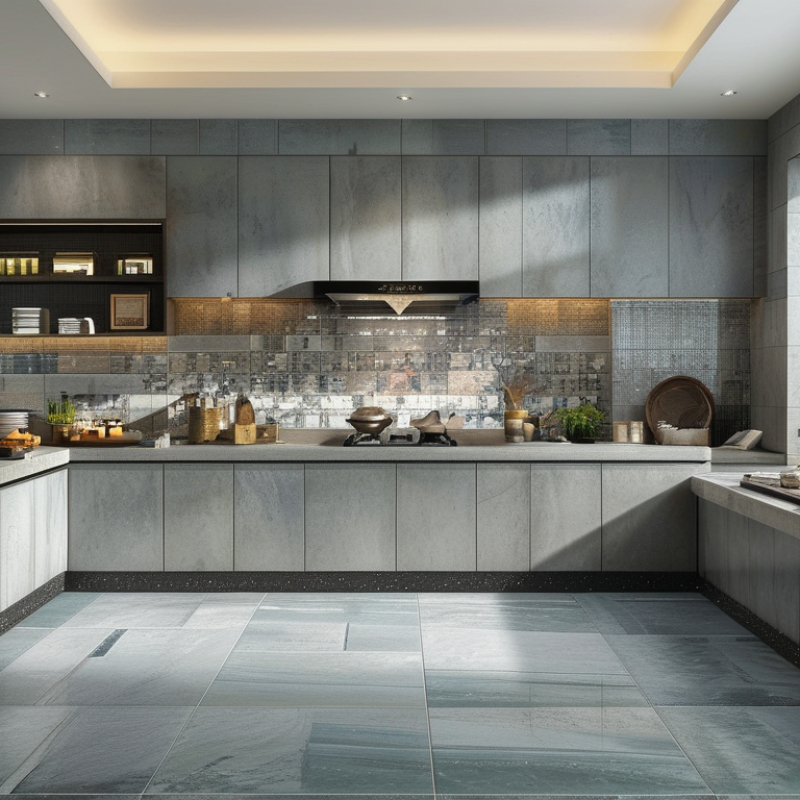
Overview of Durable Tile Materials in China
When exploring durable tile materials in China, several options stand out for global buyers. Porcelain tiles are widely recognized for their strength and resistance to moisture. They come in various designs, adding versatility to any space. Additionally, they are easier to maintain than many other materials.
Stone tiles, such as granite or slate, offer another robust choice. These tiles can withstand heavy foot traffic and are less prone to scratches or chips. However, they may require sealing to maintain their performance. Ceramic tiles also present a strong option, with a wide range of finishes and colors.
In selecting tiles, consider both quality and aesthetic appeal. The durability of a tile often correlates with its density and thickness. Always request samples to better understand their feel and look. Be wary of overly inexpensive options, as they might compromise on durability. Investing in higher-quality materials usually pays off in the long term.
China Top 10 Most Durable Tile Materials for Global Buyers
| Material |
Durability Rating |
Water Absorption (%) |
Scratch Resistance (Mohs) |
Ideal Use Cases |
| Porcelain |
9/10 |
0.5 |
7 |
Flooring, Walls, Commercial Spaces |
| Ceramic |
7/10 |
3 |
5 |
Interior Walls, Residential Areas |
| Glass |
8/10 |
0.1 |
6 |
Wall Facades, Decorative Surfaces |
| Natural Stone |
9/10 |
0.5-1 |
5 |
High-end Interiors, Outdoor Areas |
| Vinyl |
6/10 |
10 |
3 |
Residential Areas, Bathrooms |
| Cement |
8/10 |
4 |
4 |
Industrial, Outdoor Paths |
| Mosaic |
7/10 |
1 |
5 |
Pools, Decorative Walls |
| Terracotta |
6/10 |
5 |
3 |
Traditional Homes, Gardens |
| Quartz |
10/10 |
0.2 |
7 |
Countertops, High-Traffic Areas |
| Composite |
7/10 |
3 |
5 |
Versatile Applications, Bathrooms |
Key Characteristics of Durable Tiles: Strength and Resistance
When selecting tile materials, durability is vital for global buyers. Strong tiles minimize replacement costs. Resistance to wear, stains, and moisture impacts long-term satisfaction. Industry reports indicate that ceramic tiles boast a high resistance to scratches and stains. They show promising results, with some products achieving a PEI rating of 5, indicating suitability for heavy traffic areas.
Another aspect is thermal and chemical resistance. Porcelain tiles, known for their low porosity, resist moisture absorption effectively. This characteristic protects against mold growth. According to expert data, tiles with low water absorption rates below 0.5% are ideal for wet areas. These materials not only meet functional needs but also offer design versatility.
However, not all high-rated tiles are equal. Installation quality significantly impacts durability. Poorly installed tiles might crack or displace, negating their inherent qualities. Professionals emphasize the importance of proper subfloor preparation. Buyers should consider long-term performance, not just upfront costs. Striking a balance between aesthetics and functionality ensures that selected materials endure the test of time.
Durability Comparison of Top Tile Materials
This chart illustrates the strength and resistance levels of the top 10 most durable tile materials. The data showcases their compressive strength (MPa) and water absorption (%) to help global buyers make informed decisions.
Top 10 Durable Tile Materials Sourced from China
When sourcing durable tile materials from China, buyers have a rich selection to choose from. According to industry reports, ceramic tiles continue to dominate the market due to their excellent longevity and design versatility. The global market for tiles is projected to reach USD 346 billion by 2026, indicating a strong demand. Among the top options are porcelain tiles, known for their low water absorption rate of less than 0.5%. This characteristic makes them ideal for high-moisture areas, such as bathrooms and kitchens.
Natural stone tiles, including granite and slate, are another popular choice. They offer unique aesthetics and robust strength. However, sourcing these materials can vary significantly in price and quality. Reports suggest that quality discrepancies often arise from the extraction and processing stages, highlighting the need for careful supplier selection. Buyers should also note the importance of surface finishes, as this impacts both durability and maintenance. While glazed tiles are easier to clean, unglazed options may require more upkeep.
Understanding these dynamics is crucial for global buyers. The right tile choice not only enhances aesthetics but also provides long-term cost savings. As the tile industry evolves, staying informed about material innovations is vital. While certain materials offer superior durability, the sourcing journey may involve unexpected challenges. Embracing both innovations and imperfections in production can lead to more thoughtful purchasing decisions.
Applications of Durable Tiles in Global Markets
Durable tiles have become essential in various global markets. They offer a blend of strength, aesthetic appeal, and ease of maintenance, making them suitable for both residential and commercial applications. Industries such as hospitality, retail, and healthcare are increasingly favoring durable tile materials. These tiles withstand heavy foot traffic and resist stains, scratches, and moisture, making them perfect for high-use areas.
When choosing tiles, consider the specific demands of the environment. For instance, outdoor spaces need tiles that can resist weathering. Indoor areas benefit from tiles that offer slip resistance. The right choice can enhance safety and longevity. Durable tiles also contribute to sustainability. Many options are made from recycled materials, reducing environmental impact.
Tips: Always request samples before finalizing your purchase. Check for certifications that guarantee quality. Remember, not all durable tiles perform the same under various conditions. Research is key to avoid costly mistakes in installation or maintenance. Embrace the learning process to find the best solutions.
Comparative Analysis: Chinese Tiles vs. Global Competitors
When comparing Chinese tiles to global competitors, several factors emerge. Chinese tiles are known for their impressive durability and variety. They undergo rigorous testing to ensure they withstand wear and tear, making them attractive in various markets. However, some concerns arise regarding consistency in quality across different manufacturers. Buyers must be cautious and conduct due diligence before making a purchase.
Durability is not the only consideration. Aesthetic appeal is crucial in the tile market. Many Chinese tiles offer modern designs at competitive prices. Yet, there might be a trade-off in uniqueness compared to tiles from specialized artisans in other countries. This could result in a less distinctive look for designers aiming for originality.
Additionally, while Chinese tiles often present a strong value proposition, buyers should reflect on their sourcing practices. Ethical considerations and environmental impact are pivotal in today's market. Consumers are increasingly aware of where their materials come from. Therefore, understanding both the benefits and potential downsides is essential for informed decision-making in tile selection.
FAQS
: Durable tiles minimize replacement costs. They ensure long-term satisfaction and reduce the need for frequent repairs.
Ceramic tiles resist scratches and stains well. They are suitable for heavy traffic areas due to their durability.
Porcelain tiles have low porosity. They resist moisture absorption, protecting against mold growth in wet areas.
Outdoor tiles need to resist weathering. Look for options that can withstand extreme elements for better longevity.
Poor installation can lead to cracks or displacements. Proper subfloor preparation is essential for lasting performance.
Many durable tiles use recycled materials. This reduces environmental impact while still providing quality functionality.
Consider both upfront costs and long-term performance. Balancing aesthetics and functionality is vital for durability.
Always request tile samples. Check for quality certifications to avoid costly mistakes during installation. Research is essential.
No, tile performance can vary significantly. It's important to research different options for specific environments.
Choose tiles with slip resistance for indoor areas. This feature can help prevent accidents in high-use spaces.
Conclusion
The article "China Top 10 Most Durable Tile Materials for Global Buyers" provides an in-depth exploration of the robust tile materials sourced from China, renowned for their durability and resilience. It begins with an overview of durable tile materials available in the Chinese market, highlighting key characteristics such as strength and resistance to wear, moisture, and temperature fluctuations.
The centerpiece of the article is a list of the top 10 durable tile materials, showcasing their suitability for various applications in global markets, from residential to commercial settings. Additionally, a comparative analysis discusses how these Chinese tiles stack up against competitors from around the world, answering the question of what is the most durable tile material by emphasizing the unique features that make Chinese options particularly appealing for buyers seeking long-lasting solutions.

 Rock Stone